







A significant multi-day rain event is moving across two of the states we serve in the next day. Here is what’s forecast, how to prepare in the time remaining, and how Higgins & Associates can help if water finds its way into your building.
What’s in the Forecast
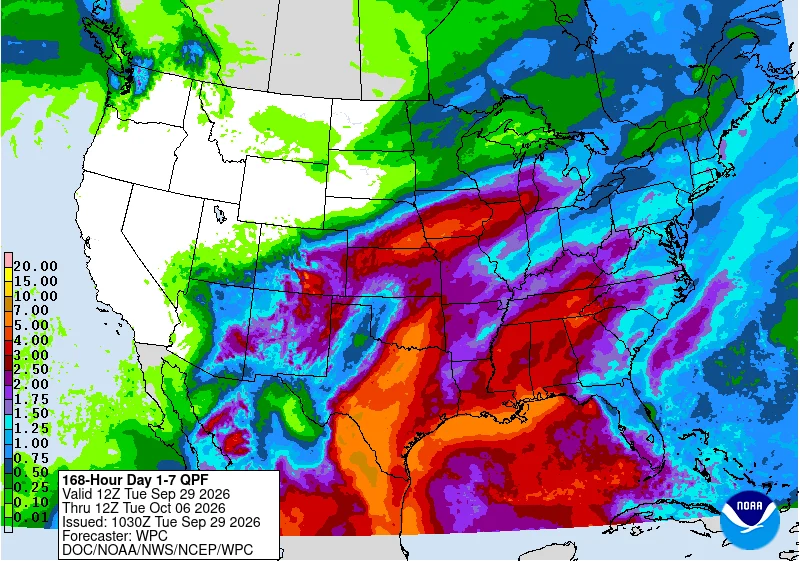
Colorado. Tropical moisture from the remnants of Hurricane Polo is combining with a Pacific storm system. A flood watch is in effect, with the heaviest rainfall forecast for Tuesday night through early Thursday morning. From the Palmer Divide south to the New Mexico, Kansas and Oklahoma state lines, forecasters see potential for 3 to 6 inches of rain through Thursday, which could be the most rainfall many eastern Colorado locations have seen in nearly three years. In the southwest, recent rainfall has already left soils saturated, increasing the flood risk as more precipitation arrives. Denver weather: Heavy rain, flood concerns move in midweek +2
Texas. The same system is moving east. The heaviest rain in the Dallas-Fort Worth area is forecast for Wednesday night through Thursday night, and around Austin and San Antonio the flash flood threat could last into Friday morning. Forecasts in North Texas call for widespread totals of 1 to 3 inches, with locally higher amounts over 4 inches possible. In Central Texas, rainfall rates could exceed two inches per hour. Following an extended dry period, heavy rain on dry ground could lead to flooding in many areas. Gov. Abbott warns of potential flash flooding across Texas this week | TPR +3
Forecasters note that exact placement and timing remain uncertain, so please follow the National Weather Service and local emergency officials for the latest updates.
Pre-Storm Preparedness: What to Do Now
Many water intrusion problems begin with small, fixable conditions that go unnoticed until a heavy storm tests them. If you own or manage a home, multi-family community, or commercial building, the next day or two is a valuable window.
Clear the path for water. Remove debris from gutters, downspouts, roof drains, scuppers, and area drains. Confirm downspouts discharge well away from the foundation, and reattach any extensions that have come loose.
Walk the roof and building exterior. From the ground or with binoculars, look for missing or displaced shingles, damaged flashing, open sealant joints around windows and doors, and gaps at roof and wall penetrations. Note problems even if they can’t be repaired before the storm, as this record will be helpful later.
Check below grade. Test sump pumps and confirm backup power or battery systems work. Make sure window wells are clear and covered where possible.
Protect what matters most. Move valuables, documents, and electronics off basement and ground-level floors. Relocate vehicles out of low-lying parking areas.
Document existing conditions. Take dated photographs and video of your property’s exterior and interior, especially areas with past leaks or staining. Pre-storm documentation is one of the most useful tools in any later insurance claim or repair discussion.
For homeowner associations and property managers: Share preparedness reminders with residents, confirm contact information for emergency contractors and your insurance carrier, and establish how residents should report leaks so issues are logged promptly and consistently.
Above all, follow the guidance of local officials. Never drive or walk through flooded roadways, and never enter standing water where electrical hazards may be present.
After the Storm: Why a Professional Evaluation Matters
Visible water damage is often just part of the story. Water can travel long distances within wall cavities, beneath flooring, and behind cladding before appearing. Concealed moisture can lead to deterioration, mold growth, and structural concerns that surface weeks or months later.
It’s equally important to understand why water got in. Was it an extraordinary storm overwhelming a properly built system, a maintenance issue, or a construction defect in the building envelope? That answer shapes the repair approach, and often the insurance and responsibility questions that follow.
We’re Here When You Need Us
We hope this storm passes with minimal impact for everyone in Colorado and Texas. If you notice leaks, staining, damp flooring, musty odors, or other signs of water intrusion, please reach out. Early evaluation helps limit damage and keeps repair options open.
Contact Higgins & Associates at (303) 972-4300, (214) 420-9388 or office@higginsassoc.com, or visit higginsassoc.com to schedule an evaluation.