



Multifamily Home – Water Intrusion
A multifamily property association sought third-party guidance after reports of basement moisture and possible water intrusion within an individual residence.
The Challenge
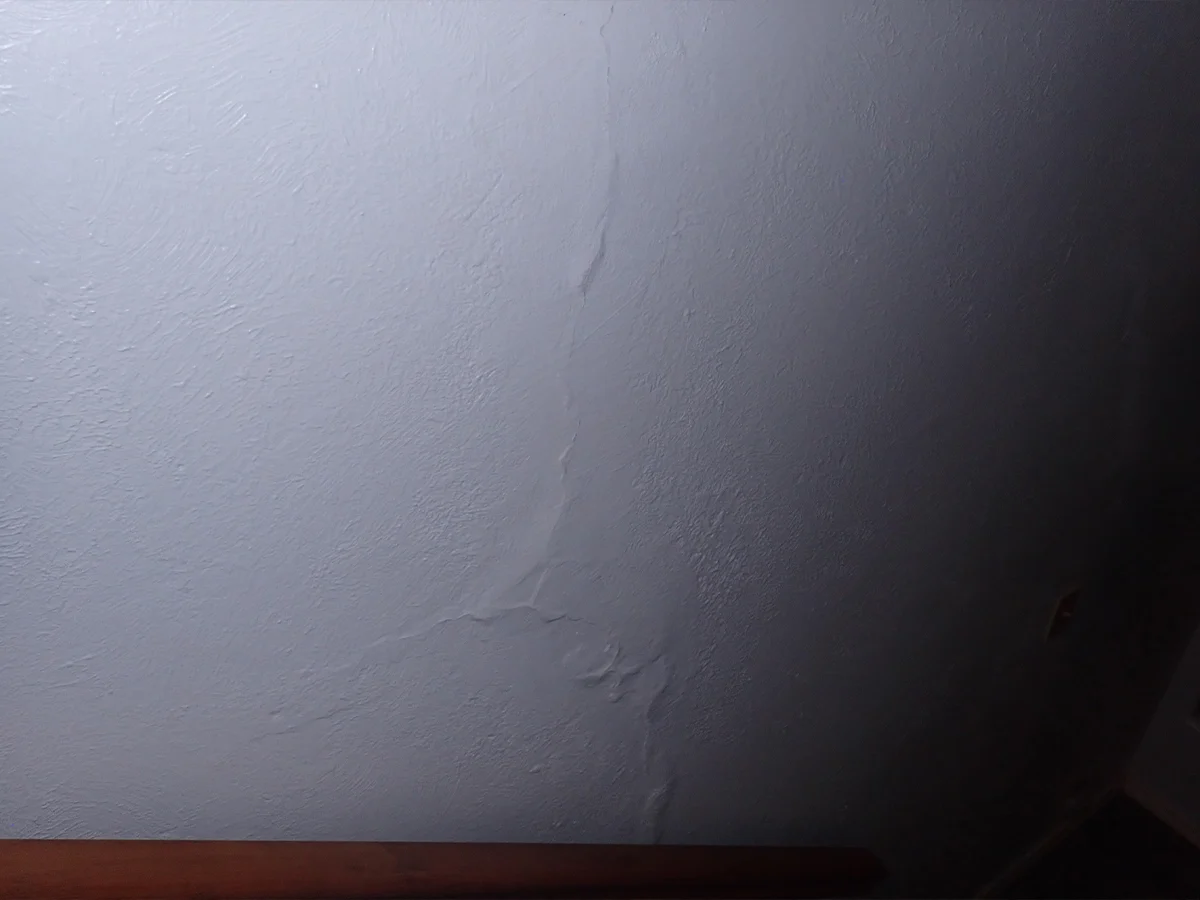
The client faced uncertainty around reported basement moisture: some areas showed prior evidence of water exposure, while others had no visible staining, deterioration, or active moisture-related distress.
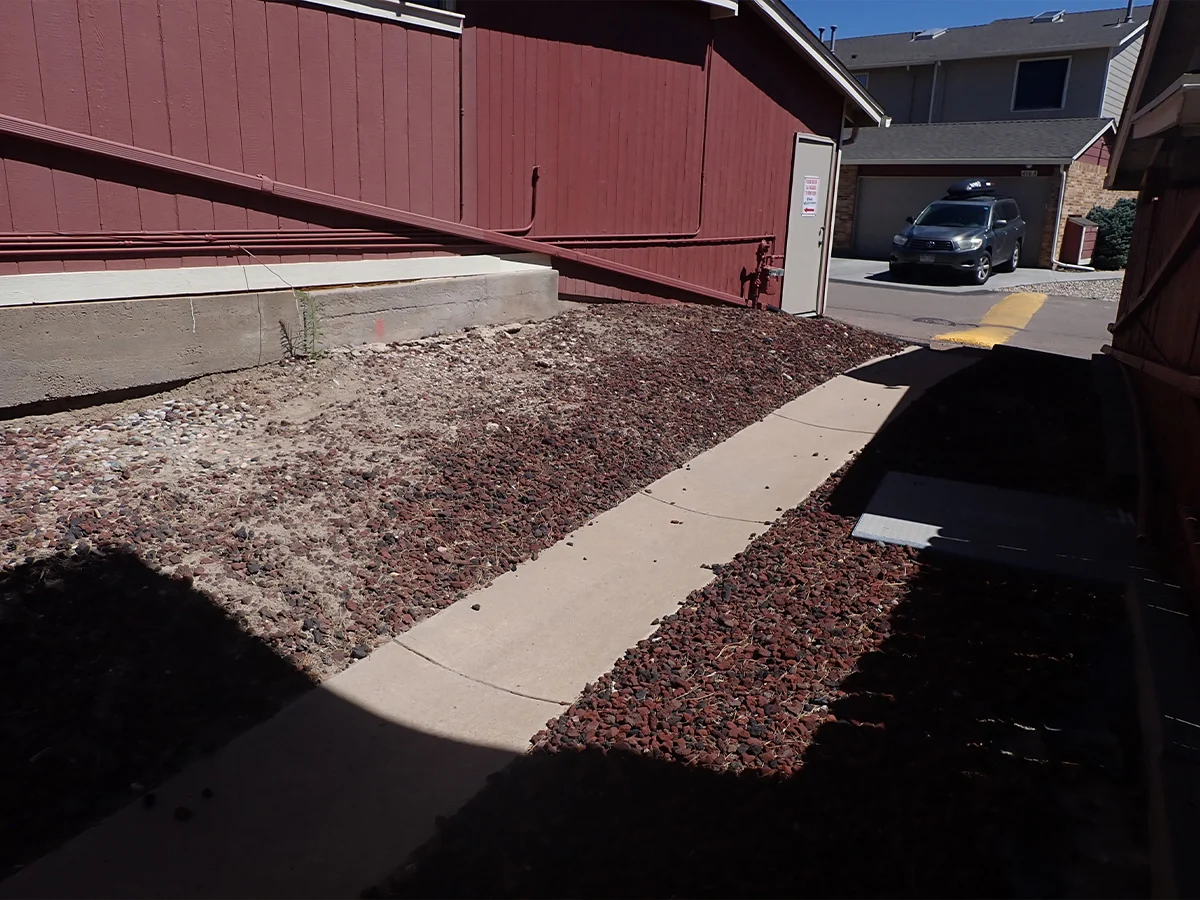
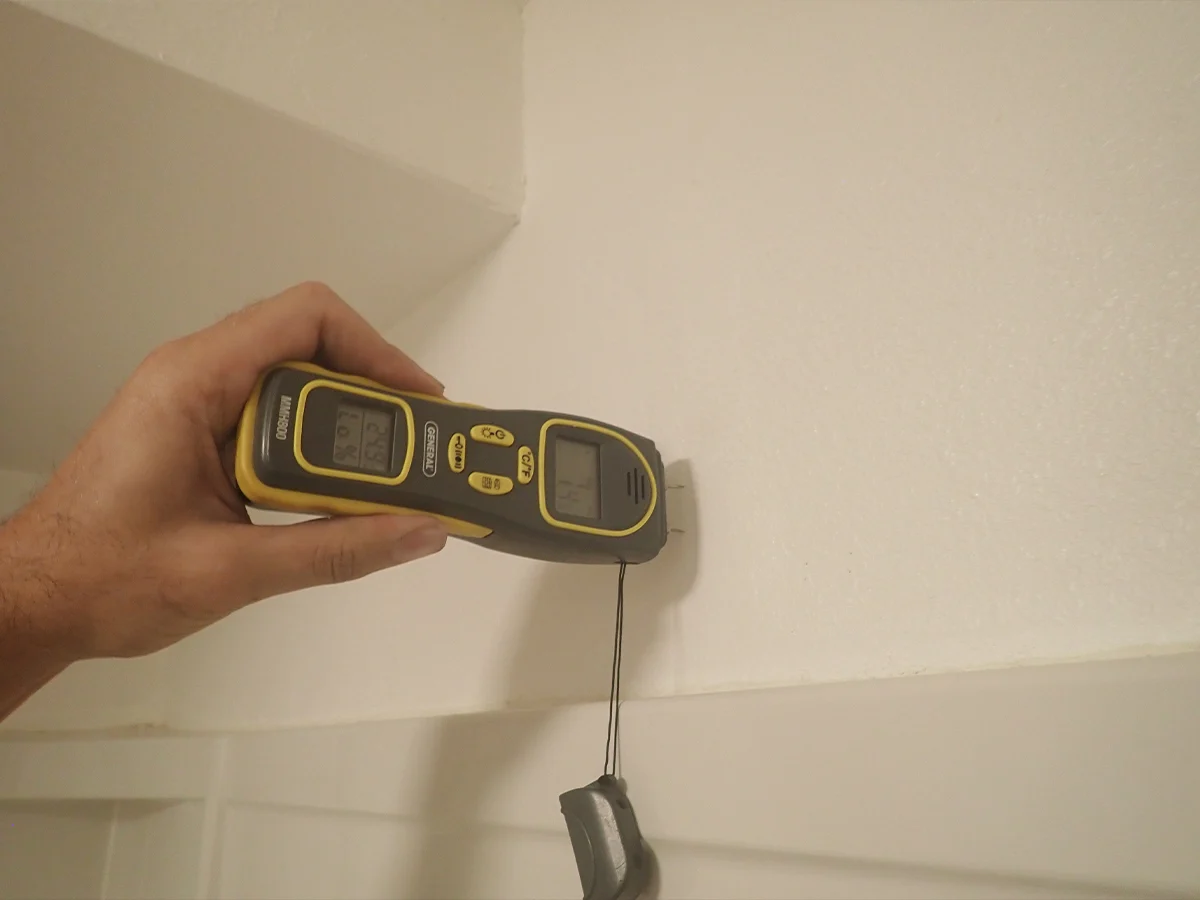
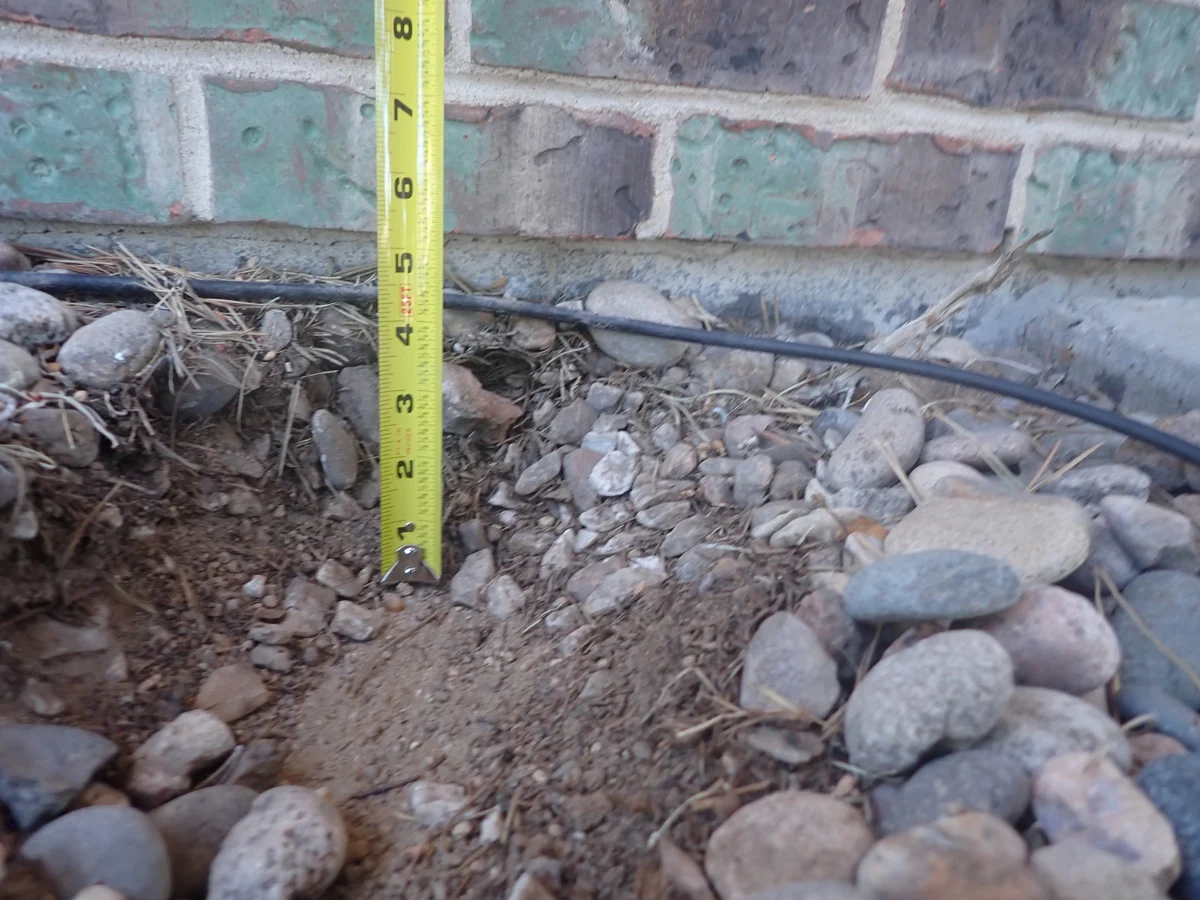
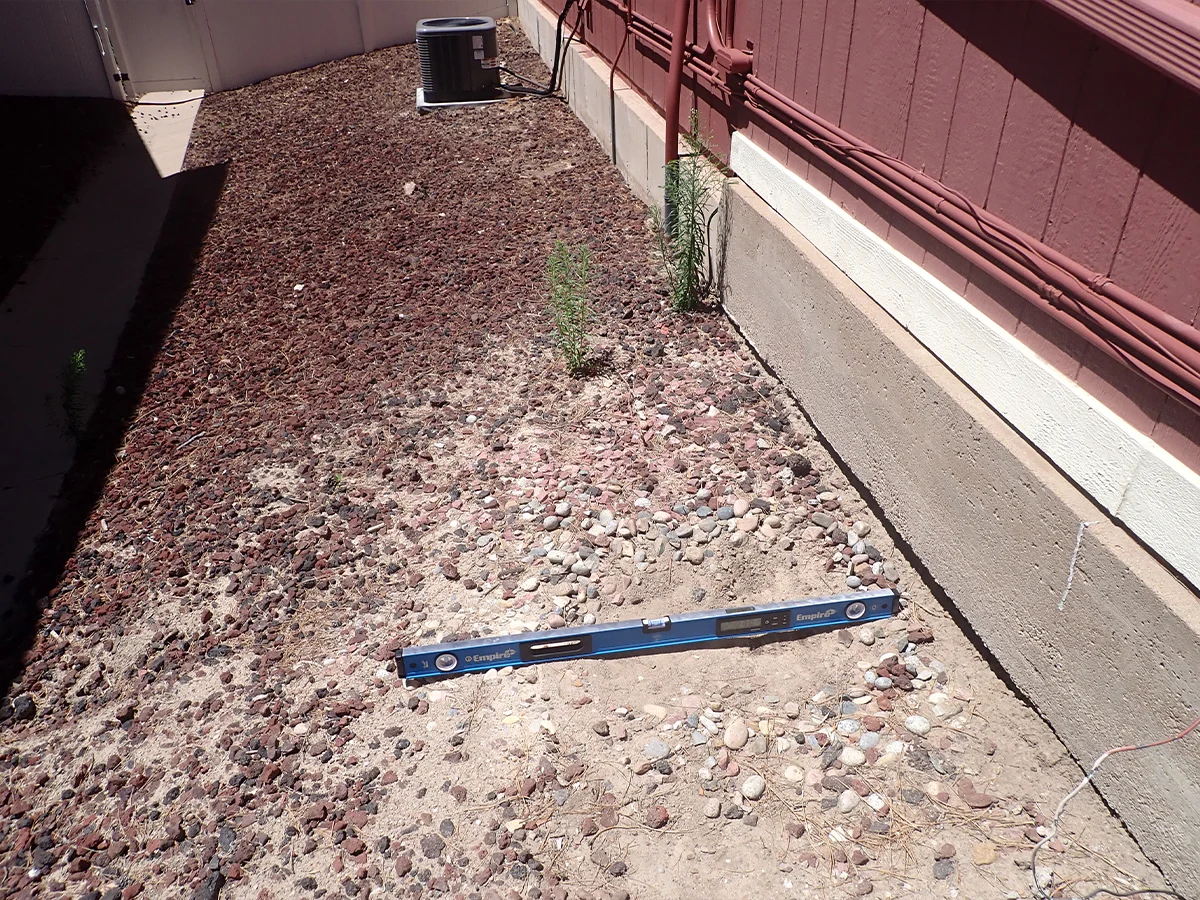
Conflicting moisture-meter readings added to the uncertainty, particularly where an inappropriate measurement setting had been used on drywall. At the same time, several exterior conditions could direct water toward the building, including roof runoff discharged near the foundation, negative site grading, and limited cladding clearance.
The association needed a clear, objective path to address potential sources before moisture concerns could lead to more significant building-envelope damage.
Our Approach
We reviewed the available project documentation and conducted a focused on-site visual assessment of interior and exterior conditions.
Our team documented visible finishes and wall conditions and interviewed the resident to understand the reported history and prior measurements. We differentiated between indications of past water intrusion, isolated elevated moisture readings, and areas with no observed signs of active moisture distress.
We then evaluated roof drainage, grading, cladding transitions, sealants, and window-well conditions as potential pathways for water to reach the foundation and basement walls.
This initial visual assessment produced a practical mitigation plan with recommendations to recheck moisture levels after corrective work was completed.
The Results
The assessment gave the association a fact-based basis for action without overstating the evidence of active intrusion.
We identified three localized elevated moisture reading and evidence consistent with prior water exposure, while documenting that other reported areas showed typical readings or no visible distress at the time of the assessment.
The client received prioritized recommendations to improve roof runoff management, have positive drainage away from the foundation, repair exterior sealants as appropriate, and add window-well drainage.
By addressing these observable water-management vulnerabilities first and reevaluating afterward, the association could target repair resources toward the most credible contributing conditions.
Have a Project & Need Our Help?
If you have a project and need some expert support then you’re in the right place.
Just fill out the form below, and one of our consultants will be in touch promptly to discuss how we can support you.